A company does not need to be the biggest player in its category to look like one.
It needs to show up like one.
For startups, MSMEs and newer brands, this distinction matters. You may have a strong product, an experienced founding team and ambitious growth plans. But your prospective customer does not automatically know any of that.
They judge what they can see.
Your website. Your LinkedIn page. Your brand identity. Your Google results. Your content. Your client logos. Your case studies. Your sales presentation. Your emails. And eventually, their experience of working with you.
Together, these create an impression of your business before you ever get the opportunity to explain it.
That is why some relatively small companies can feel established, credible and ready to handle large accounts, while larger businesses can sometimes appear fragmented or difficult to trust.
Market leadership is not communicated through size alone. It is communicated through signals.
For a growing business, the opportunity is to build those signals deliberately.
1. Brand Identity: Look Like the Business You Are Becoming
Your brand identity is often the first signal of maturity.
That does not mean a startup needs to look like a multinational corporation. It means the brand needs to look intentional.
A strong identity gives a company a recognisable visual language, a clear personality and a consistent way of presenting itself. The logo, colours, typography, imagery, messaging and tone should feel like they belong to the same company and communicate the same positioning.
More importantly, your identity should reflect the market you want to compete in.
If you want to sell enterprise technology, your brand needs to communicate the confidence and clarity expected by enterprise buyers. If you are building a premium consumer brand, every visual and verbal touchpoint needs to support that premium positioning.
A common mistake among newer companies is allowing the brand to remain stuck in its earliest stage.
Related Topics:
Pipeline acceleration: strategies that show up on dashboards
Beginners Guide to Digital Marketing for Exporting Business
What is Metaverse? What Could it Mean to You?
AI in B2B Marketing: Does Growth Come from Presence or Precision?
The business has evolved. Its customers have evolved. Its ambitions have evolved.
But the brand still looks like it did on day one.
A mature brand identity closes that gap.
It tells the market: we know who we are, who we serve and where we are going.
2. Website Architecture: Make It Easy to Believe You
Your website is more than your digital brochure.
For a potential customer who has never heard of you, it can be the closest thing they have to a first meeting with your company.
And that meeting needs structure.
A credible website should make it easy to answer the questions a prospective customer is already asking:
What do you do?
Who do you do it for?
Why should I choose you?
Can you solve my specific problem?
Have you done this before?
What happens next?
That requires more than attractive design.
It requires thoughtful website architecture.
Your services or solutions need to be easy to understand. Industry or audience-specific information should be easy to find. Proof should appear where it matters. Case studies should support relevant claims. Calls to action should guide visitors towards the next step.
Even navigation contributes to perception.
A website that feels organised, considered and easy to navigate communicates something about the organisation behind it.
This is particularly important for smaller businesses competing for larger opportunities. The website has to reduce the perceived risk of choosing a relatively young or lesser-known company.
As Bunjy’s own website work emphasises, a website needs to answer visitor questions, communicate value clearly and use strategic social proof rather than simply looking good.
3. Thought Leadership: Show How You Think
Established companies are often trusted because the market knows what they stand for.
Newer companies have to build that familiarity.
One of the strongest ways to do it is through thought leadership.
Thought leadership is not publishing a generic post every Monday.
It is demonstrating that your company understands its industry, its customers and the problems they are trying to solve.
What do you believe about your industry?
What are customers getting wrong?
What is changing?
What should businesses prepare for?
What have you learned from working with customers?
What would you do differently from the conventional approach?
These perspectives give a company intellectual presence.
And that matters because prospective customers are not only evaluating what you sell. They are evaluating whether you understand their world.
For a startup or MSME, consistent, specific and useful thought leadership can help compress that credibility gap.
You may not have been in the market for 20 years.
But if your content demonstrates a depth of understanding, the market has a reason to take you seriously.
4. Social Proof: Let Other People Build Your Credibility
There is a limit to how much credibility a company can create by talking about itself.
That is where social proof comes in.
Client logos, testimonials, ratings, partnerships, certifications, media mentions, awards and customer feedback all provide external validation.
But not all social proof carries the same weight.
“Great service” is positive, but vague.
A testimonial that explains the problem, why the customer chose you and what changed as a result is considerably more useful.
The same principle applies to client logos. A long list of names can create recognition, but context makes the proof stronger.
Who did you help?
What did you help them achieve?
What kind of challenge did you solve?
This is why social proof works best when it is specific and relevant to the buyer looking at it.
If an enterprise prospect sees evidence that you have solved a similar problem for another enterprise, uncertainty decreases.
You are no longer asking them to simply believe your claim.
You are showing them that someone else already did.
5. Case Studies: Turn Capability Into Evidence
Case studies take social proof one step further.
They show your work.
For a newer company, this is particularly powerful because capability can otherwise be difficult to assess from the outside.
A strong case study tells a clear story:
Here was the challenge.
Here was the approach.
Here is what changed.
Here are the results.
The strongest case studies are not just galleries of finished work.
They explain the thinking behind the work.
What problem did the customer have?
What was getting in the way?
What strategy was used?
What did execution involve?
What measurable outcome followed?
This transforms a claim like “we deliver results” into something a prospective customer can actually evaluate.
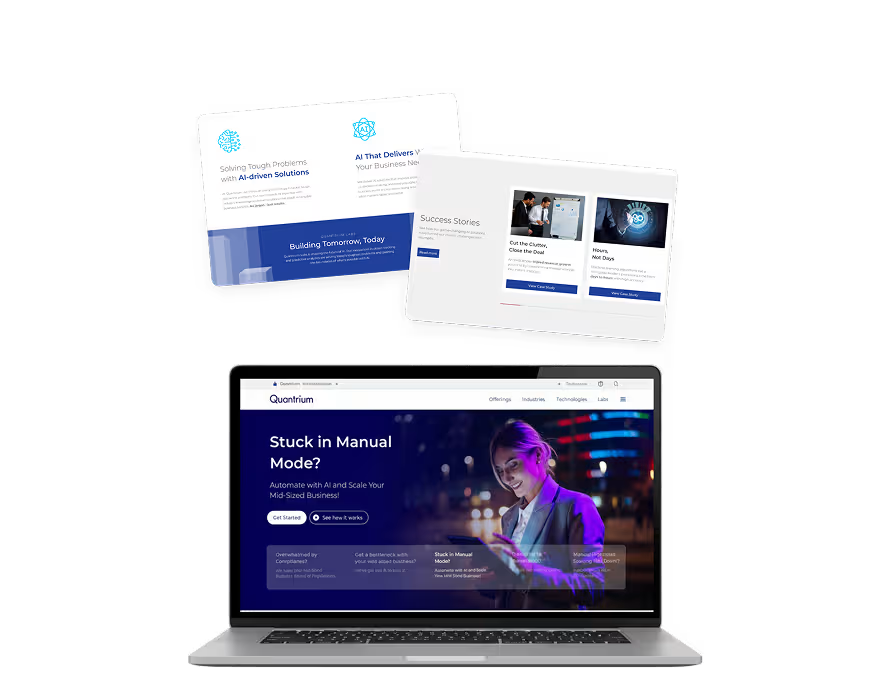
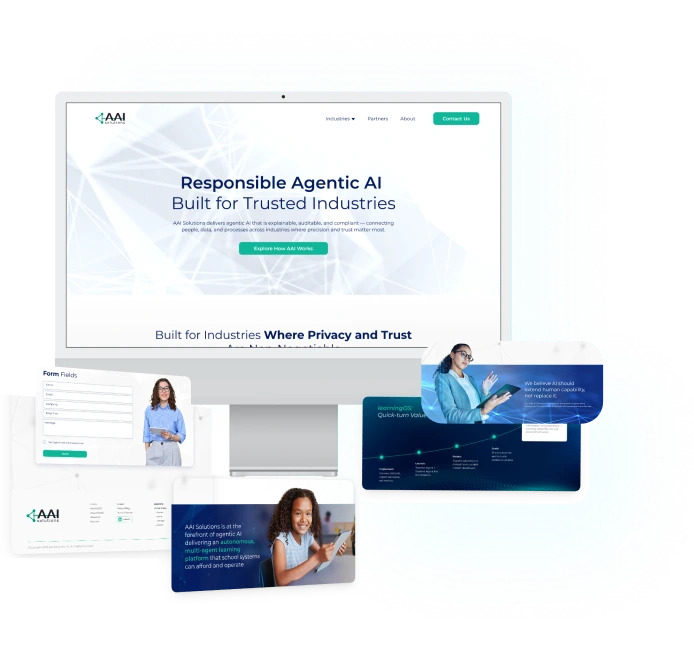
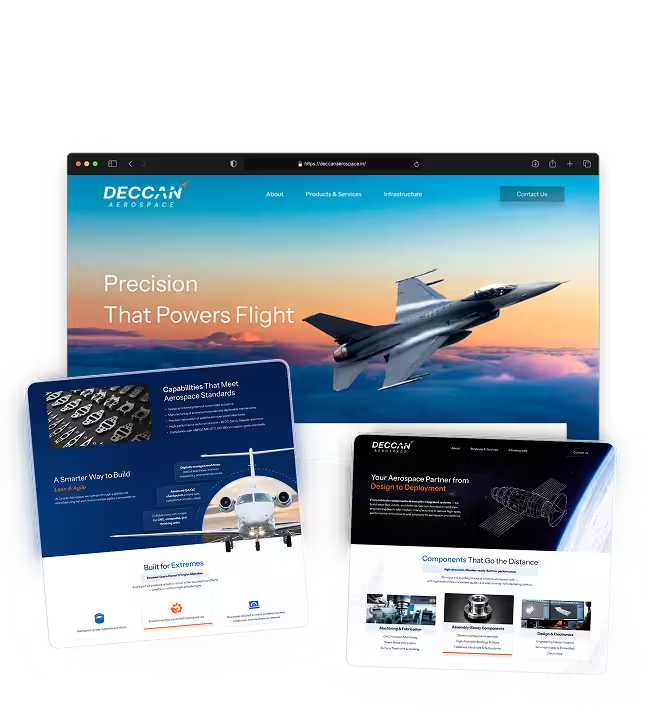
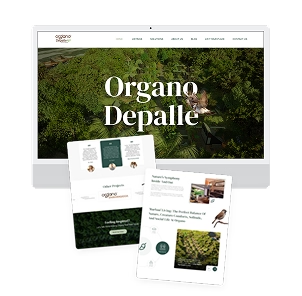
Bunjy’s own case study portfolio demonstrates this range — from aerospace identity and technology branding to credibility-first websites, digital presence and measurable campaign outcomes.
For a growing business, case studies are one of the fastest ways to make experience visible.
6. Consistency: Make Every Touchpoint Feel Like One Company
A brand can have a great website and still feel small if everything around it looks disconnected.
The LinkedIn page uses one tone.
The website uses another.
The sales presentation looks completely different.
Social media graphics have inconsistent branding.
The messaging changes from platform to platform.
Each individual element may seem harmless.
Together, they create friction.
Consistency creates familiarity. When the same positioning, visual language, messaging and quality of execution appear repeatedly, people begin to recognise the brand more easily.
This is especially important for newer brands because familiarity has to be built.
You are effectively giving the market repeated evidence of who you are.
And consistency does not mean repetition.
The message can adapt to different audiences and platforms while the underlying brand remains recognisable.
Different touchpoints. One brand.
That is what makes a business feel organised, established and intentional.
7. Search Visibility: Be Discoverable When Buyers Are Looking
You can have an excellent brand and still lose opportunities if people cannot find you.
Search visibility is therefore another important part of perceived credibility.
When someone hears your company name, they may Google you.
When they encounter a problem, they may search for a solution.
When they are comparing vendors, they may search for alternatives, reviews, case studies or specific capabilities.
What they find during those moments contributes to their perception of your business.
A strong search presence can include your website, service pages, useful content, case studies, industry-specific pages, business listings and other relevant digital properties.
The objective is not simply to rank for more keywords.
It is to own more of the information environment around your brand.
The more useful, relevant and credible information a prospect encounters when researching you, the easier it becomes for them to move from unfamiliarity to confidence.
8. Customer Experience: Deliver on Everything the Brand Promised
Finally, there is the part no amount of marketing can permanently disguise:
the actual experience.
You can build an impressive identity.
You can create a beautiful website.
You can publish excellent thought leadership.
You can showcase strong case studies.
But if the customer experience does not match the promise, the perception breaks.
How quickly do you respond?
How clearly do you communicate?
How organised is your process?
How easy is it to work with your team?
Do you meet expectations?
Do you solve problems proactively?
Do you make customers feel looked after?
These details may not appear in a marketing campaign, but they become part of the brand.
In fact, for a smaller company, customer experience can become one of its strongest competitive advantages.
A large company may have greater resources.
A growing company can sometimes be more responsive, more involved and more personal.
The brand promise gets you considered. The customer experience gets you remembered.
Building the Whole Package
None of these elements works in isolation.
A great identity cannot compensate for a weak website.
A strong website cannot compensate for a lack of proof.
Great content cannot compensate for an inconsistent brand.
Strong search visibility cannot compensate for a poor customer experience.
And an impressive case study cannot compensate for unclear positioning.
The real opportunity lies in connecting them.
Brand identity creates recognition.
Website architecture creates clarity.
Thought leadership creates authority.
Social proof creates trust.
Case studies create evidence.
Consistency creates familiarity.
Search visibility creates discoverability.
Customer experience creates loyalty.
Together, they create something far more valuable than visibility.
They create market confidence.
And that is what startups, MSMEs and newer brands need when they are trying to move into bigger markets, win larger customers and compete with companies that have been around much longer.
You do not have to pretend to be bigger than you are.
You have to make the value, capability and credibility you already possess visible at every important touchpoint.
Ready to Build a Brand That Looks Ready for What Comes Next?
Growing businesses rarely have the luxury of building their marketing one piece at a time.
You need a brand that can establish credibility. A website that can turn attention into confidence. Content that demonstrates expertise. Case studies that prove capability. Search visibility that keeps you discoverable. Social proof that reduces hesitation. And a consistent customer experience that delivers on the promise.
That is where having one integrated marketing partner can make a difference.
At Bunjy, we bring strategy, branding, communication, content, digital and performance marketing together to help growth-stage businesses build presence, performance and personality across every customer touchpoint. With experience across 100+ clients, 100+ websites and 300+ performance marketing campaigns, we combine strategic thinking with creative and technology-led execution.
For startups and MSMEs, this integrated approach is also at the heart of Launchpad by Bunjy — bringing positioning, branding, go-to-market assets and website essentials together instead of making growing businesses piece everything together themselves.
Whether you are launching a new company, entering a new market, repositioning an existing business or preparing to compete for larger opportunities, the goal is the same:
Build a brand that looks as capable as the business you are building.
Because market leadership does not begin when you become the biggest player in the room.
It begins when the market starts seeing you as a serious contender.
FAQ
How can a small company look like an established market leader?
A small company can build the perception of an established brand by creating strong and consistent signals across its brand identity, website, content, social proof, case studies, search visibility and customer experience. The goal is not to appear larger than you are, but to make your capabilities and credibility visible.
Why is brand identity important for startups and MSMEs?
A strong brand identity helps newer businesses establish recognition, communicate their positioning and create a more intentional market presence. It also ensures that the brand looks aligned with the customers and markets it wants to attract.
What should a startup website communicate?
How does thought leadership help a new brand build credibility?
What types of social proof are useful for a growing business?
Client testimonials, customer reviews, client logos, partnerships, certifications, awards, media mentions and quantified results can all contribute to credibility. Specific and relevant proof is generally more useful than broad claims about quality or expertise.
Why are case studies important for startups and MSMEs?
Case studies turn claims into evidence. By showing the customer’s challenge, the approach taken and the resulting outcomes, they give prospective customers a clearer understanding of a company’s capabilities and experience.
How does consistency affect brand perception?
Why does search visibility matter for a new brand?
Potential customers often research a company before contacting or buying from it. A strong search presence helps a business appear when customers are looking for its products, services, expertise or information about the company itself.
Can customer experience influence how established a company feels?
Yes. Responsiveness, communication, reliability and the overall ease of working with a company all contribute to brand perception. A strong customer experience reinforces the expectations created by marketing.
Related Case Studies

Categories: Blog